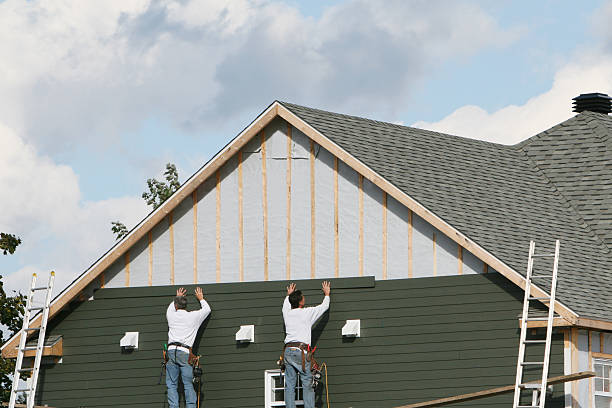
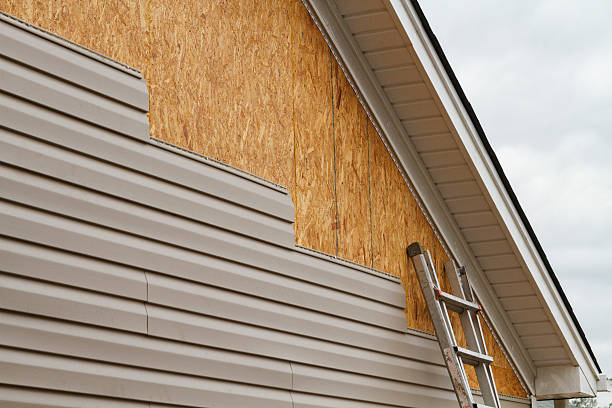
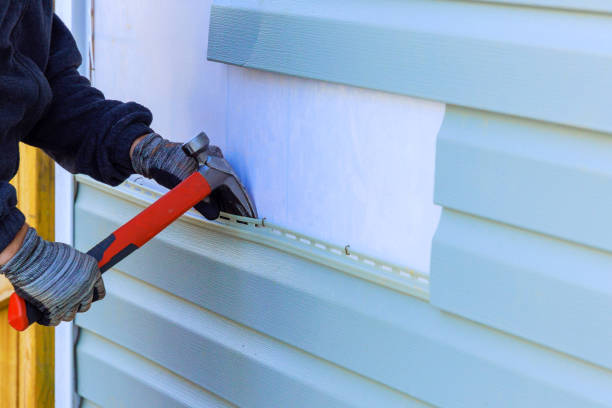
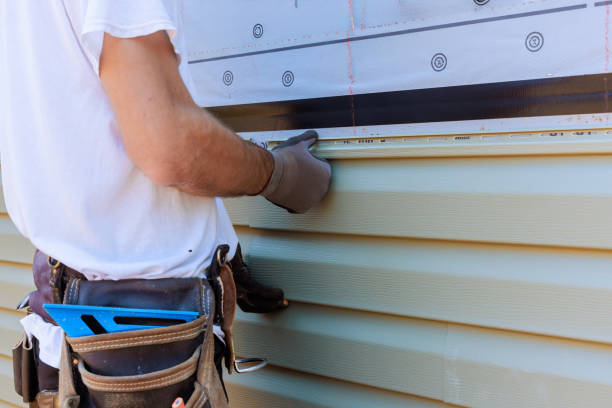
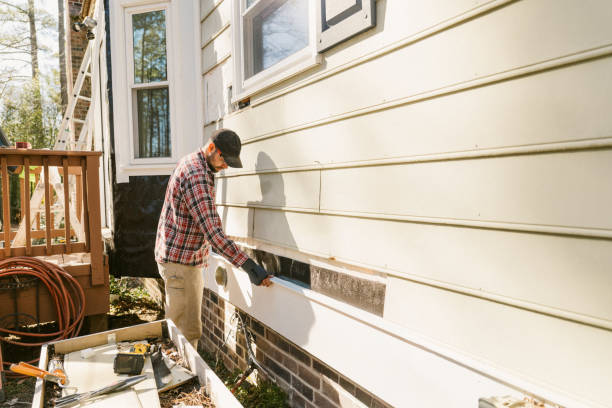
From a single storm-damaged panel to a full re-side, Laurel, IN homeowners call Superior Siding Solutions for Siding done right the first time.
Superior Siding Solutions started because too many Laurel, IN homeowners were getting vague quotes, mismatched panels, and crews who vanished halfway through a job. We built the opposite: clear scope, clear price, clear timeline.
Manufacturer certifications matter to us because they matter to your warranty. We install to the letter of the installation guide, not "close enough."
Ask any of our Laurel, IN crews what matters most on a job and you'll hear the same three things: proper flashing, correct fastener spacing, and a level starter course.
Whether the job is a single storm-damaged section or a full re-side before listing the house, the same foreman and warranty paperwork follow it from quote to final walkthrough.

Siding trouble rarely announces itself all at once. Here's what our Laurel, IN dispatch team hears about most, and what each one usually means.
We'd rather tell you a repair is enough than talk you into a bigger job you don't need yet.
Rippling panels usually mean heat damage, bad nailing, or trapped moisture pushing the panel outward.
Left alone, a warped panel tends to spread to the panels beside it within a season or two.
A repair here is usually quick if it's caught before neighboring panels are affected too.
Hail, debris, and age all crack siding — and once it's cracked, water gets behind it every time it rains.
Small cracks are usually a quick, inexpensive repair if caught early.
Debris impact and lawn equipment are common causes we see across Laurel, IN, especially near ground-level panels.
Gapped or missing siding lets conditioned air escape, forcing your HVAC system to work harder than it should.
An unexplained jump in your energy bill is worth a siding check, not just an HVAC service call.
We check existing wall insulation before recommending an upgrade, since the payoff depends on what's already behind the current siding.
Dark streaking on the surface is cosmetic; mold behind the panel is structural.
A musty smell that returns after cleaning is a sign the source is behind the wall, not on it.
We'll photograph any moisture-related damage found, useful if you need documentation later.
Older siding chalks and fades under UV exposure, which means the protective surface layer is breaking down.
Chalking affects appearance first, but it's usually a sign the material's remaining service life is shortening.
A soft-wash cleaning can sometimes restore chalky siding short of full replacement — worth checking before assuming the worst.
Paint bubbling near an exterior wall inside your home is a classic sign moisture is getting through the siding.
We recommend an exterior inspection as soon as this appears indoors, not after it spreads.
We check the interior side of the affected wall during any related exterior inspection.
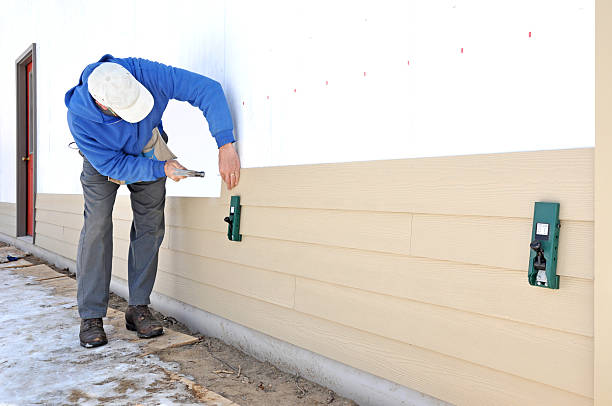
We don't run a one-size-fits-all crew. Emergency, residential, commercial, and specialty work each get handled by the right team, not whoever's free.

Exposed sheathing gets a temporary weatherproof seal the same day, with permanent repair scheduled right behind it.
We triage by severity: active water intrusion first, cosmetic damage scheduled normally.
Common temporary materials stay stocked on every truck specifically for after-hours calls.
Vinyl, fiber cement, and insulated panel options are all installed in-house by trained, certified crews.
Every install includes a written, itemized estimate before any material is ordered — no verbal ballpark that changes once the crew arrives.
Color and profile samples are shown on-site in real daylight, not a screen swatch.
Scheduling around business hours and tenant access gets coordinated before crews ever show up.
We coordinate with facilities teams on material storage and site access for multi-building properties.
Certificates of insurance and licensing documentation are provided upfront for property management review.
Specialty work gets planned and laid out before the first piece goes up, not adjusted mid-install.
Insulated upgrades add an R-value boost at the wall, which shows up as a steadier indoor temperature and a lighter HVAC load.
Fiber cement crews use vacuum-shrouded saws to control dust, a real jobsite consideration when cutting cement-based material.
After hail or wind events, we inspect for hairline cracking that isn't always visible from the ground.
Full storm-damage re-sides are common when cracking is scattered across multiple elevations.
We check gutters and downspouts near any impact site, since falling debris often damages more than just the wall.
Calibrated moisture meters check suspect areas for trapped water that a visual inspection alone would miss.
We flag urgency levels so you know what needs attention now versus what can wait.
Thermal imaging can reveal insulation gaps and moisture patterns that a visual check alone would miss entirely.
Dispatch confirms your address and rough scope before the visit, so it's productive from the start.
A technician walks the full exterior in person before anyone talks pricing — not just the section you called about.
You get a written breakdown of materials, labor, and timeline — not a verbal number that changes once work starts.
Daily site cleanup keeps nails and scrap out of your yard for the duration of the project.
None of this is complicated, but it's surprisingly rare in this trade: answer the phone, show up when we say we will, and put the price in writing.

No change orders appear mid-job unless something hidden turns up, and you approve that cost first.
We prioritize active leaks and exposed sheathing ahead of routine scheduling.
Permits and inspections tied to your project get handled by us, not left for you to coordinate.
If a workmanship issue shows up after the job closes, we come back and fix it at no charge during the warranty period.

If a workmanship issue shows up after the job closes — a gap, a loose panel, a caulking line that fails early — we come back and fix it at no charge during the warranty period.
Every estimate is honored as written; if the scope changes because of something hidden behind the old siding, you approve that change and its cost before we proceed, in writing.
If you're ever unsure whether something is covered, ask — we'd rather explain it plainly than have you guess.

They caught rot behind a section I thought was just cosmetic and fixed the sheathing before closing it back up.
Quote was itemized down to the trim and starter strip, no vague "materials" line item like the last contractor gave us.
Fiber cement install looks sharp and the crew cleaned up every scrap before leaving each day.
Storm damage inspection found hairline hail cracking our own eyes completely missed — helped our claim go through.
Same-day repair on a storm-loosened panel before the next round of rain hit.
Pre-listing inspection gave us a punch list to handle before buyers ever walked through — sold faster because of it.
They found a soft spot in the sheathing near a downspout and fixed it before closing the wall back up.
Multiple material tiers on the same estimate made it easy to compare vinyl against fiber cement before deciding.
Full re-side took about the time they quoted, no surprise change orders once old siding came off.
One call gets you a technician, a written estimate, and a realistic timeline.
Call +1-844-782-0929Our Laurel coverage area extends into nearby Laurel, IN communities — if you're unsure whether your address is covered, a quick call confirms it.
Every zip code listed below gets the same estimate process, materials, and workmanship warranty — coverage area doesn't mean a lesser standard.